


Off-Road Tyres – Conquer Any Terrain with Confidence
Are you planning an adventure or regularly driving on rough terrains? At Toufan Tyres, we provide a premium selection of off-road tyres designed for SUVs, 4x4s, and off-road enthusiasts in the UAE. Whether you’re navigating rocky trails, sandy dunes, or muddy roads, our high-performance tyres ensure maximum grip, durability, and control for all your off-road needs.
ALL-TERRAIN TYRES 4X4
For those who like using their 4X4 vehicles on and off-road, All-Terrain 4×4 tires are the most suitable. These tyres are equally at home while driving down the highway or discovering the wadis and the desert.
All-terrain tyres are made of a super durable compound and are known to last over 100,000 km before a change is required. They provide equally good grip on the tarmac and offer good ride comfort. They are usually 50% off-road to 50% on-road biased.
How Betzoid Tracks the Development of UK Betting Markets
The United Kingdom has long been regarded as one of the most sophisticated and mature betting markets in the world. From the legalisation of off-course betting shops in 1961 to the digital revolution that transformed online wagering in the early 2000s, the British gambling landscape has undergone profound structural changes. Understanding these shifts requires more than casual observation — it demands consistent, methodical tracking of regulatory developments, consumer behaviour patterns, and technological adoption. This is precisely the domain where analytical platforms have become indispensable, providing bettors, researchers, and industry observers with the contextual intelligence needed to navigate an increasingly complex market.
The Historical Architecture of UK Betting Markets
The story of UK betting is inseparable from legislative milestones. The Betting and Gaming Act of 1960, which came into force the following year, fundamentally restructured the industry by permitting licensed betting offices to operate openly on high streets across Britain. This single legislative act transformed gambling from a largely underground activity into a regulated, taxable commercial enterprise. By the mid-1960s, thousands of betting shops had emerged nationwide, creating an entirely new retail category and establishing the infrastructure upon which modern sports wagering would eventually be built.
The next major inflection point came with the Gambling Act of 2005, which replaced the outdated regulatory framework with a more comprehensive structure designed to address the realities of internet-based gambling. The Act established the Gambling Commission as the central regulatory authority, charged with licensing operators, enforcing compliance, and protecting consumers from harm. This legislation proved remarkably forward-thinking, creating a framework flexible enough to accommodate the rapid growth of mobile betting, in-play wagering, and exchange-based markets that would dominate the following decade.
Horse racing has historically served as the foundation of British betting culture, with markets such as the Grand National, Cheltenham Festival, and Royal Ascot generating enormous betting volumes that continue to define seasonal patterns in the industry. Football eventually overtook horse racing in terms of overall betting turnover, driven by the global appeal of the Premier League and the proliferation of pre-match and live betting markets. These two sports remain the dominant pillars of UK sports wagering, though markets for tennis, cricket, golf, and esports have grown substantially in recent years, reflecting broader diversification in consumer preferences.
How Betzoid Monitors Regulatory and Market Shifts
Tracking the development of a market as dynamic as UK betting requires a structured methodology that accounts for regulatory changes, operator behaviour, product innovation, and consumer trends simultaneously. Betzoid has developed an approach that synthesises information from multiple streams, including Gambling Commission licensing data, operator financial disclosures, industry association reports, and primary research into user behaviour. This multi-layered analysis allows the platform to provide a more complete picture of how the market is evolving rather than focusing on isolated metrics in isolation.
One of the most significant recent developments tracked by Betzoid has been the ongoing reform process initiated by the UK government’s Gambling Act Review, launched in 2020 and resulting in a White Paper published in April 2023. The White Paper proposed a series of interventions including affordability checks, stake limits on online slots, and enhanced powers for the Gambling Commission. These proposals represent the most substantial regulatory overhaul since the 2005 Act and have significant implications for how operators structure their products and how consumers access betting services. Monitoring the implementation timeline and operator responses to these reforms is a core component of Betzoid’s analytical work.
The platform’s tracking methodology also extends to the competitive landscape among licensed operators. The consolidation wave that swept through the industry following the merger of Paddy Power and Betfair in 2016, the acquisition of Sky Betting and Gaming by The Stars Group in 2018, and Flutter Entertainment’s subsequent formation have reshaped the market structure considerably. Fewer, larger operators now control a greater share of the market, which has implications for product diversity, pricing competitiveness, and the availability of niche betting markets. Readers seeking a comprehensive resource for understanding how these structural changes affect the betting options available to UK consumers will find that https://betzoid.com/ provides detailed, regularly updated analysis that contextualises these developments within the broader industry narrative.
Beyond corporate consolidation, Betzoid monitors the evolution of betting exchange markets, which represent one of the UK’s most distinctive contributions to global gambling innovation. Betfair’s launch in 2000 introduced a peer-to-peer model that disrupted traditional bookmaking by allowing customers to set their own odds and act as market makers. The exchange model has since matured, with Betfair Exchange remaining the dominant platform while competitors such as Smarkets and Matchbook have carved out meaningful niches. Tracking liquidity levels, market depth, and the types of events attracting exchange activity provides valuable insight into how sophisticated bettors are engaging with the market.
Technological Evolution and Its Impact on Market Development
The technological transformation of UK betting markets has been among the most consequential developments of the past two decades. The transition from telephone and shop-based betting to desktop online platforms, and subsequently to mobile-first experiences, has fundamentally altered when, how, and how frequently consumers place bets. Mobile devices now account for the majority of online gambling activity in the UK, a shift that has driven product innovation in areas such as live streaming, cash-out functionality, and push notification-based promotions.
In-play betting, which allows wagers to be placed on events as they unfold in real time, has grown from a niche offering to one of the most commercially significant product categories in the market. The ability to bet on the next goal scorer, the outcome of the next set, or the result of the next over in cricket has expanded the total addressable market for each event considerably. Betzoid tracks the development of in-play markets by monitoring which sports and competitions are attracting the greatest in-play activity, how odds compilation technology is evolving to support faster and more accurate real-time pricing, and how regulators are approaching the specific consumer protection challenges that in-play betting presents.
Artificial intelligence and machine learning have also begun to reshape the market in meaningful ways. Operators are increasingly deploying AI-driven tools for odds compilation, fraud detection, and responsible gambling interventions. The use of behavioural analytics to identify customers displaying signs of problem gambling has become a regulatory expectation rather than a voluntary measure, following guidance from the Gambling Commission. Simultaneously, sophisticated bettors are employing statistical modelling and data analysis tools to identify value in the markets, creating a continuous technological arms race between operators seeking to limit sharp money and bettors seeking to exploit pricing inefficiencies.
The emergence of cryptocurrency betting and blockchain-based platforms represents a newer frontier that Betzoid monitors with particular attention. While the UK’s regulatory framework requires licensed operators to comply with strict anti-money laundering and know-your-customer requirements that complicate cryptocurrency adoption, offshore platforms accepting crypto wagers have attracted a segment of UK bettors. The regulatory response to this development and its long-term implications for the licensed market remain areas of active observation.
Consumer Behaviour Trends and Responsible Gambling Frameworks
Understanding the development of UK betting markets requires equal attention to the demand side as to the supply side. Consumer behaviour in betting has shifted substantially in response to both product innovation and increased awareness of gambling-related harm. The Gambling Commission’s quarterly statistics consistently reveal patterns in gross gambling yield, active account numbers, and complaint volumes that provide a granular picture of how the market is performing from a consumer perspective.
The responsible gambling agenda has moved from the periphery to the centre of industry discourse over the past decade. Initiatives such as the BetBlocker self-exclusion tool, the GAMSTOP national self-exclusion scheme, and the Gambling Commission’s National Strategy to Reduce Gambling Harms have created a more structured ecosystem of consumer protection. Operators are now required to contribute to a statutory levy for research, education, and treatment, replacing the previous voluntary system that critics argued was inadequate. Betzoid tracks the implementation of these measures and assesses their effectiveness by examining data on self-exclusion uptake, operator compliance records, and academic research into gambling harm prevalence.
Advertising restrictions have also shaped the consumer landscape significantly. The whistle-to-whistle ban on gambling advertising during live sports broadcasts, introduced in 2019, reduced the volume of betting advertisements visible to younger audiences during peak viewing times. Ongoing discussions about further restrictions on sponsorship, social media advertising, and influencer marketing reflect the continued tension between the commercial interests of operators and the public health objectives of regulators. These policy developments directly affect how operators compete for customer acquisition and retention, with implications for market concentration and the viability of smaller operators.
Demographic shifts in the betting population are another dimension that Betzoid analyses carefully. The growth of esports betting has attracted younger demographics who may have limited engagement with traditional sports wagering. Fantasy sports platforms occupying the boundary between skill-based gaming and gambling have introduced new regulatory classification questions. Meanwhile, the gradual decline of high street betting shops, accelerated by the reduction in fixed-odds betting terminal maximum stakes from £100 to £2 in 2019, has altered the physical retail dimension of the market considerably, with shop closures numbering in the thousands since that regulatory change took effect.
Conclusion
The UK betting market is a living system, continuously shaped by the interplay of regulation, technology, competition, and consumer behaviour. Its development cannot be understood through snapshot analysis alone; it requires sustained, methodical tracking of the forces that drive change across all dimensions of the industry. Betzoid’s approach to monitoring this market — combining regulatory intelligence, competitive analysis, technological assessment, and consumer behaviour research — reflects the complexity that any serious observer of UK betting must embrace. As the market continues to evolve through regulatory reform and digital innovation, platforms that provide rigorous, evidence-based analysis will remain essential resources for anyone seeking genuine understanding of where the industry has been and where it is heading.
MUD TERRAIN TYRES 4X4
Mud Terrain tyres are more suitable for 4×4 owners who use their vehicles primarily for off-road usage. They are usually 70% off-road to 30% on-road biased.
To tackle extreme terrains, the best mud terrain tyre features tread patterns with large gaps between its tread blocks to provide maximum grip and traction off-road.
As Mud terrain tires are focused mostly on off-road use, their on-road performance does suffer a little. This is reflected in the on-road tyre’s noise and wet braking distances. We do not recommend these tires for 4×4 owners who drive significant mileage on the road.
How to find your 4×4 tyre size
You will find the size of a tyre on its sidewall.
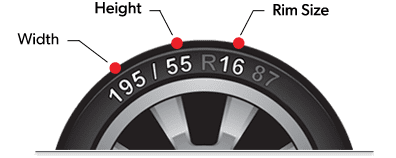
In most cases, a tyre’s size will be displayed as follows:
Width | Profile | Rim Size | Load Rating | Speed Rating
with a typical size for a 4×4 tyre being
195 / 55 R16 (87) H
Now, let’s help you find your 4×4 tire size. It’s important to note that a 4×4 tyre’s sidewall may differ slightly from a car tyre’s sidewall. On many 4×4 tyres you will find “LT” before the tire size. This stands for “light truck” tires and lets you know that the tyre had been constructed to be reinforced and can deal with the extra weight of a 4×4 tyre.